
How to Select the Right Activated Carbon Grade for Water Treatment
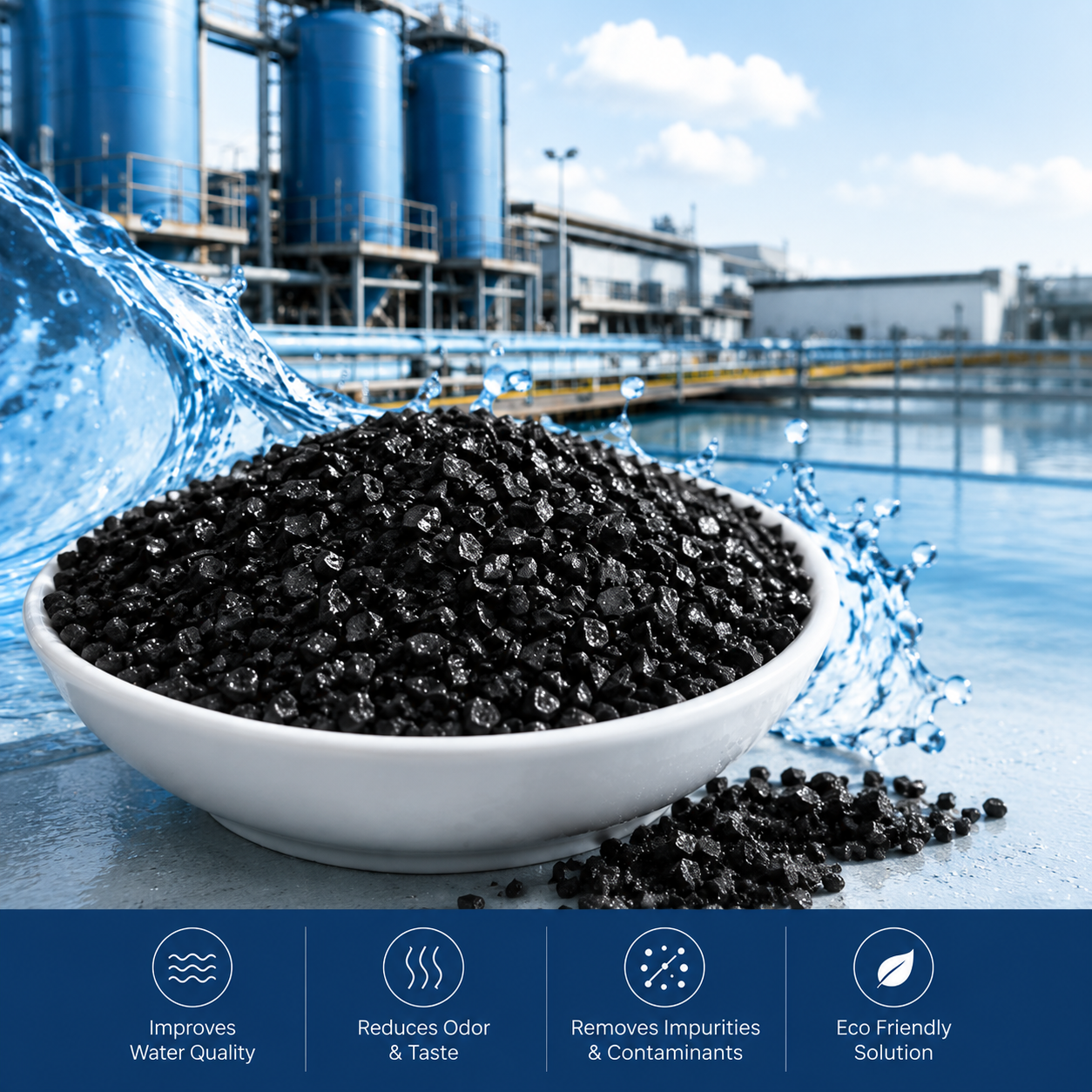
Selecting the right Activated Carbon Grade for Water Treatment is essential for achieving reliable contaminant removal, stable filtration performance, and longer carbon service life.
Every water source contains a different combination of chlorine, odor, color, dissolved organic compounds, VOCs, pesticides, chemical traces, and industrial pollutants. Therefore, the same activated carbon grade may not deliver equal performance in every water treatment application.
The correct grade should be selected based on the target contaminant, particle size, pore structure, iodine value, surface area, hardness, ash content, moisture level, contact time, flow rate, and filter design.
At Carbure Activated Carbon, high-performance Steam Activated Carbon is manufactured from premium Coconut Charcoal.
Why Activated Carbon Grade Selection Matters in Water Treatment
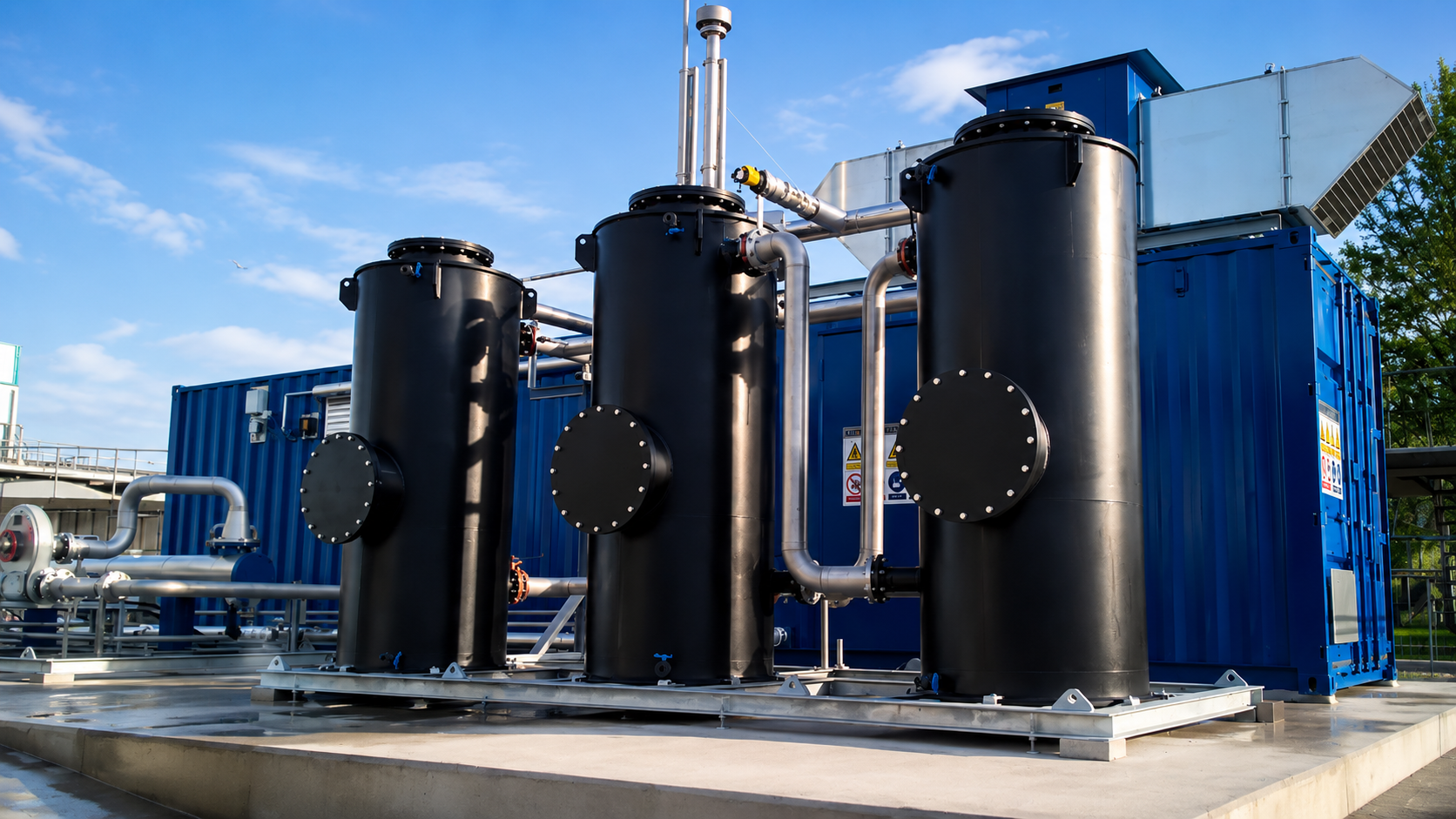
The performance of an Activated Carbon Grade for Water Treatment depends on how effectively its pore structure matches the contaminants present in the water.
A properly selected grade improves adsorption efficiency, contaminant removal, water quality, filter life, flow performance, and operational consistency. An unsuitable grade may result in early carbon exhaustion, poor impurity removal, excessive pressure drop, or frequent media replacement.
Water treatment operators must therefore evaluate the raw water characteristics and treatment objective before selecting Powdered Activated Carbon, Granular Activated Carbon, or another specialised grade.
Identify the Target Contaminants
The first step in selecting the right Activated Carbon Grade for Water Treatment is identifying the impurities that must be removed.
- Chlorine: Requires activated carbon with good catalytic surface activity and sufficient contact time.
- Taste and odor: Requires a developed pore structure capable of adsorbing odor-causing organic compounds.
- Color: Larger color molecules may require a carbon grade with suitable mesopore and macropore development.
- VOCs: Volatile organic compounds require strong adsorption capacity and suitable micropore distribution.
- Dissolved organic compounds: Carbon selection depends on molecular size, concentration, and water chemistry.
- Pesticides and chemical traces: Require grades selected according to contaminant characteristics and treatment conditions.
- Industrial pollutants: Wastewater applications may require customised grades based on COD, color, organic load, and process conditions.
Important Technical Parameters for Activated Carbon Selection
Several technical parameters influence the performance of Activated Carbon in water treatment systems.
- Iodine value: Indicates micropore development and the ability to adsorb smaller molecules.
- Methylene blue value: Helps assess the adsorption capacity for larger molecules and color bodies.
- Surface area: A larger internal surface area provides more adsorption sites for contaminant capture.
- Pore size distribution: Micropores, mesopores, and macropores influence the adsorption of different molecular sizes.
- Particle size: Affects pressure drop, filtration speed, contact efficiency, and backwashing performance.
- Hardness: High hardness reduces carbon breakdown, fines generation, and media loss during operation.
- Ash content: Low ash content supports cleaner filtration and is important for sensitive water applications.
- Moisture content: Influences storage, handling, and the usable quantity of activated carbon.
- pH: The carbon pH should be compatible with the treated water and process requirements.
Choosing the Right Type of Activated Carbon
Granular Activated Carbon
Granular Activated Carbon is commonly used in fixed-bed water filters, pressure vessels, municipal water treatment plants, RO pre-treatment systems, process water filtration, and wastewater polishing units.
It provides good flow characteristics, long contact time, mechanical strength, and the possibility of carbon replacement or reactivation depending on the application.
Powdered Activated Carbon
Powdered Activated Carbon is typically used for batch treatment, emergency contaminant control, rapid odor removal, color reduction, and seasonal water quality problems.
Its fine particle size provides fast adsorption because of increased contact between the carbon and water.
Pelletized Activated Carbon
Pelletized Activated Carbon is mainly preferred for gas-phase purification, although selected pellet grades may be used in specialised treatment systems requiring uniform flow and low pressure drop.
Match the Activated Carbon Grade with the Treatment System
The carbon grade must match the design and operating conditions of the water treatment system.
- Raw water quality and contaminant concentration
- Required treated water quality
- Filter bed depth
- Water flow rate
- Empty bed contact time
- Particle size and pressure drop
- Backwashing requirements
- Operating temperature and pH
- Carbon replacement frequency
- Downstream treatment process
Laboratory testing or application trials can help confirm whether the selected Activated Carbon grade delivers the required adsorption capacity and treatment performance.
Why Choose Coconut Charcoal Based Steam Activated Carbon?
Steam Activated Carbon manufactured from Coconut Charcoal is widely used in water treatment because of its high hardness, low ash content, developed micropore structure, and strong adsorption efficiency.
The natural hardness of Coconut Charcoal helps reduce fines, breakage, and carbon loss during handling, filtration, and backwashing.
Coconut Charcoal based carbon is particularly suitable for chlorine removal, taste and odor control, VOC adsorption, drinking water polishing, process water purification, and other applications involving smaller organic molecules.
As a renewable raw material, Coconut Charcoal also supports more responsible and sustainable purification practices.
Benefits of Selecting the Correct Activated Carbon Grade
- Improved contaminant adsorption
- Better chlorine reduction
- Effective taste and odor control
- Improved water clarity and quality
- Longer carbon service life
- Lower media replacement frequency
- Reduced pressure-drop problems
- Consistent filtration performance
- Improved operational efficiency
- Better cost per treatment cycle
Why Choose Carbure Activated Carbon?
Carbure Activated Carbon manufactures high-performance Steam Activated Carbon from premium Coconut Charcoal for drinking water, municipal water, industrial water, process water, wastewater, ETP, STP, and RO pre-treatment applications.
Our Activated Carbon grades are engineered with controlled pore development, strong hardness, consistent particle size, low ash content, and reliable adsorption performance.
Carbure Activated Carbon supports customers in selecting suitable carbon grades based on contaminant type, treatment objective, flow rate, contact time, filter design, and operational requirements.
Frequently Asked Questions - Activated Carbon Grade for Water Treatment
Looking for the Right Activated Carbon Grade for Water Treatment?
We supply high-performance Activated Carbon Grades for Water Treatment, including Granular Activated Carbon and Powdered Activated Carbon manufactured from Coconut Charcoal using advanced steam activation technology.
Our carbon grades are suitable for chlorine removal, taste and odor control, color reduction, VOC adsorption, organic contaminant removal, drinking water polishing, process water purification, wastewater treatment, and industrial filtration applications worldwide.
