
Liquid Phase Activated Carbon: Applications, Benefits & Industrial Uses
What is Liquid Phase Activated Carbon?
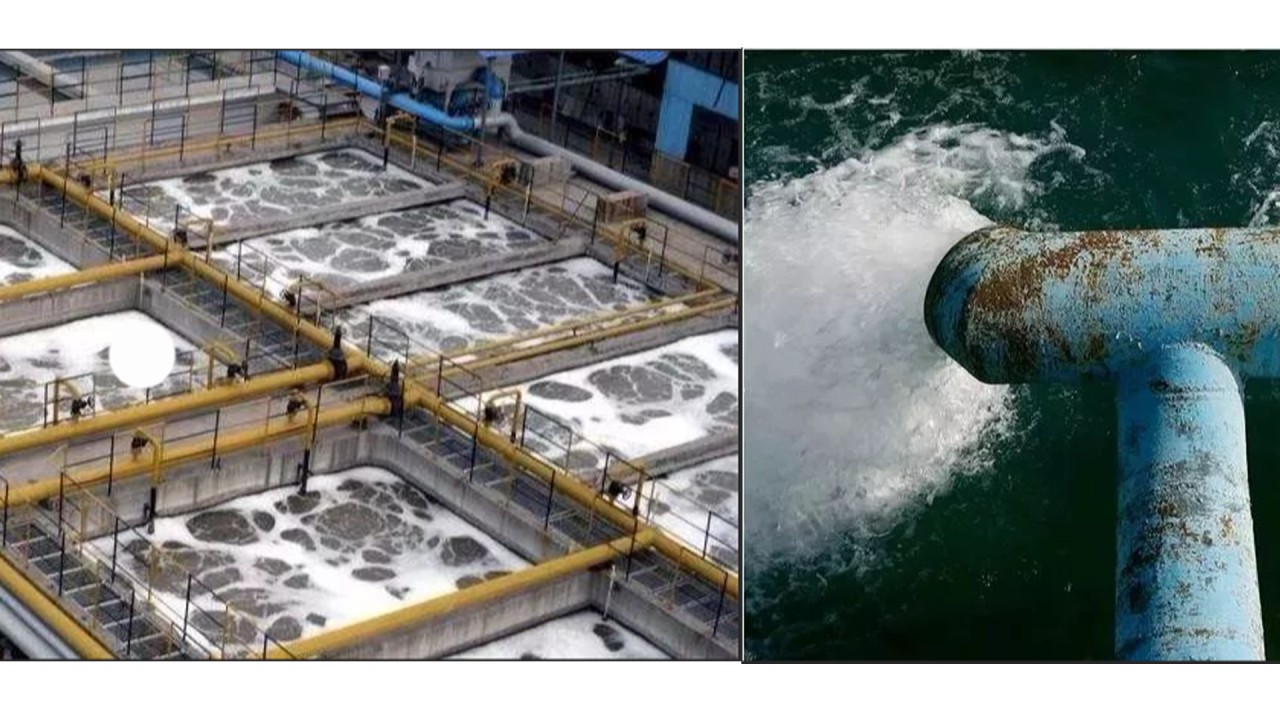
Liquid Phase Activated Carbon is a highly porous adsorption material used to remove selected dissolved organic contaminants, unwanted colors, taste and odor compounds, and other impurities from water and industrial liquid streams.
Liquid Phase Activated Carbon is widely used in drinking water treatment, municipal water purification, industrial process water, wastewater polishing, groundwater treatment, and selected chemical purification processes.
Granular Activated Carbon (GAC) and Powdered Activated Carbon (PAC) are commonly used in liquid phase applications to improve purification efficiency, water quality, and treatment performance.
Carbure Activated Carbon manufactures high-performance Steam Activated Carbon from premium Coconut Charcoal using superheated steam at 1000°C, providing reliable adsorption solutions for industrial water treatment and liquid phase purification applications.
Its purification capability comes from an extensive internal pore network that provides a large surface area for adsorption. When contaminated liquid comes into contact with Activated Carbon, suitable contaminant molecules move into the internal pores and attach to the carbon surface.
At Carbure Activated Carbon, high-performance Steam Activated Carbon is manufactured from premium Coconut Charcoal using superheated steam activation at approximately 1000°C.
The resulting Activated Carbon grades are developed for industrial purification applications where adsorption efficiency, mechanical durability, product consistency, and suitable pore structure are important.
How Does Liquid Phase Activated Carbon Work?
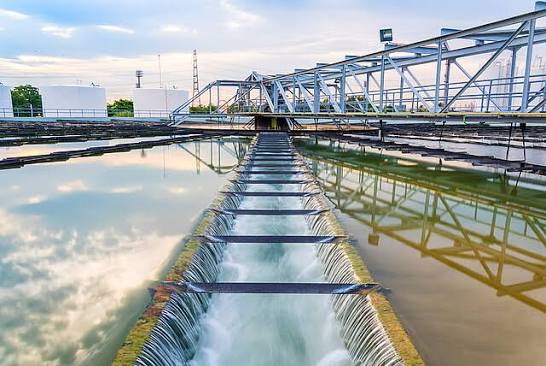
Liquid Phase Activated Carbon works primarily through adsorption, a process in which suitable contaminant molecules attach to the internal surface of a highly porous carbon material.
When water or another liquid passes through a carbon filter or comes into contact with Powdered Activated Carbon, dissolved impurities move from the liquid toward the carbon surface.
The contaminants enter the pore structure and interact with the available adsorption sites. The effectiveness of this process depends on the contaminant characteristics, pore-size distribution, carbon particle size, contact time, and treatment conditions.
Role of Different Pore Structures
- Micropores: Provide adsorption sites for many smaller molecules.
- Mesopores: Improve access for larger molecules and support internal diffusion.
- Macropores: Act mainly as transport pathways into the carbon structure.
A balanced pore structure helps improve contaminant accessibility and adsorption performance for the intended liquid purification application.
Types of Liquid Phase Activated Carbon
Granular Activated Carbon (GAC)
Granular Activated Carbon is commonly used in fixed-bed filtration systems, pressure vessels, and continuous liquid purification applications.
Water passes through the carbon bed, allowing dissolved contaminants to contact the internal adsorption surface.
GAC is widely used for drinking water treatment, municipal water purification, industrial process water, wastewater polishing, and RO pre-treatment.
Powdered Activated Carbon (PAC)
Powdered Activated Carbon consists of fine carbon particles that can be added directly to liquid treatment systems.
Its fine particle size can support relatively rapid adsorption, making it suitable for batch treatment, seasonal taste and odor problems, selected color reduction applications, and industrial liquid purification.
After treatment, the powdered carbon must be separated using suitable clarification or filtration equipment.
Acid-Washed Activated Carbon
Selected high-purity liquid purification processes may require Acid-Washed Activated Carbon with reduced acid-soluble mineral impurities and controlled ash characteristics.
The appropriate grade depends on the application, required product purity, and customer specifications.
Industrial Applications of Liquid Phase Activated Carbon
Liquid Phase Activated Carbon is used across industries that require adsorption of selected contaminants from water and other process liquids.
| Liquid Phase Application | Industrial Uses |
|---|---|
| Drinking Water Treatment | Chlorine reduction, taste and odor control, and adsorption of selected dissolved organic contaminants. |
| Municipal Water Treatment | Water polishing and reduction of selected organic micropollutants. |
| Industrial Process Water | Removal of selected organic impurities and process-related contaminants. |
| Wastewater Treatment | Adsorption of residual organic pollutants, color-causing compounds, and selected contaminants after upstream treatment. |
| RO Pre-Treatment | Chlorine reduction and selected organic contaminant control before compatible membrane systems. |
| Groundwater Treatment | Reduction of selected VOCs and adsorbable dissolved contaminants. |
| Food and Beverage Processing | Process-water polishing, taste and odor improvement, and selected purification duties using suitable grades. |
| Chemical and Pharmaceutical Processing | Purification of selected process liquids and adsorption of specified organic impurities using appropriate grades. |
The required Activated Carbon grade varies according to the contaminant profile, liquid chemistry, operating conditions, and required final product quality.
Key Benefits of Liquid Phase Activated Carbon
Liquid Phase Activated Carbon offers several advantages for industrial purification systems when properly selected and operated.
- Strong adsorption capacity: Provides extensive internal surface area for contaminant adsorption.
- Organic impurity reduction: Helps remove selected dissolved organic compounds from liquid streams.
- Taste and odor control: Supports water quality improvement by adsorbing suitable odor-causing compounds.
- Chlorine reduction:
Frequently Asked Questions - Liquid Phase Activated Carbon
Liquid Phase Activated Carbon is a highly porous adsorption material used to reduce selected dissolved organic contaminants, unwanted colors, taste and odor compounds, and other impurities from water and industrial liquid streams. Carbure Activated Carbon manufactures Steam Activated Carbon from premium Coconut Charcoal for demanding liquid phase purification applications.
Liquid Phase Activated Carbon is widely used in drinking water treatment, municipal water purification, industrial process water, wastewater polishing, groundwater treatment, RO pre-treatment, food and beverage processing, and selected chemical and pharmaceutical liquid purification applications.
Liquid Phase Activated Carbon works primarily through adsorption. When contaminated water or another liquid comes into contact with the carbon, suitable contaminant molecules enter its highly developed pore structure and attach to the internal carbon surface. Adsorption performance depends on pore size, particle size, contact time, contaminant concentration, and liquid chemistry.
Granular Activated Carbon (GAC) is commonly used in continuous fixed-bed filtration systems for water treatment and industrial liquid purification. Powdered Activated Carbon (PAC) contains finer particles and is typically added directly to liquid streams for batch treatment, rapid adsorption, color reduction, and selected contaminant removal before being separated through filtration.
Liquid Phase Activated Carbon offers strong adsorption capability, taste and odor reduction, selected organic contaminant removal, flexible treatment options, and suitability for continuous or batch purification. Coconut Charcoal based Steam Activated Carbon also provides good mechanical strength and developed microporosity for many industrial water treatment applications.
Select Liquid Phase Activated Carbon based on the target contaminant, water or liquid characteristics, pore structure, iodine value, particle size, hardness, ash content, flow rate, contact time, and treatment-system design. Laboratory testing is recommended when the contaminant profile is complex or strict purification performance is required.
Looking for Liquid Phase Activated Carbon?
Carbure Activated Carbon manufactures high-performance Liquid Phase Activated Carbon from premium Coconut Charcoal using superheated steam activation at 1000°C. Our Steam Activated Carbon solutions are designed for drinking water treatment, municipal water purification, industrial process water, wastewater polishing, groundwater treatment, RO pre-treatment, taste and odor control, and selected organic contaminant adsorption.
Contact Carbure Activated Carbon for suitable Granular Activated Carbon (GAC) and Powdered Activated Carbon (PAC) grades, technical specifications, application support, bulk supply, and export enquiries.
