
Glycerin Purification: High-Performance Activated Carbon for Refined Product Quality
Introduction
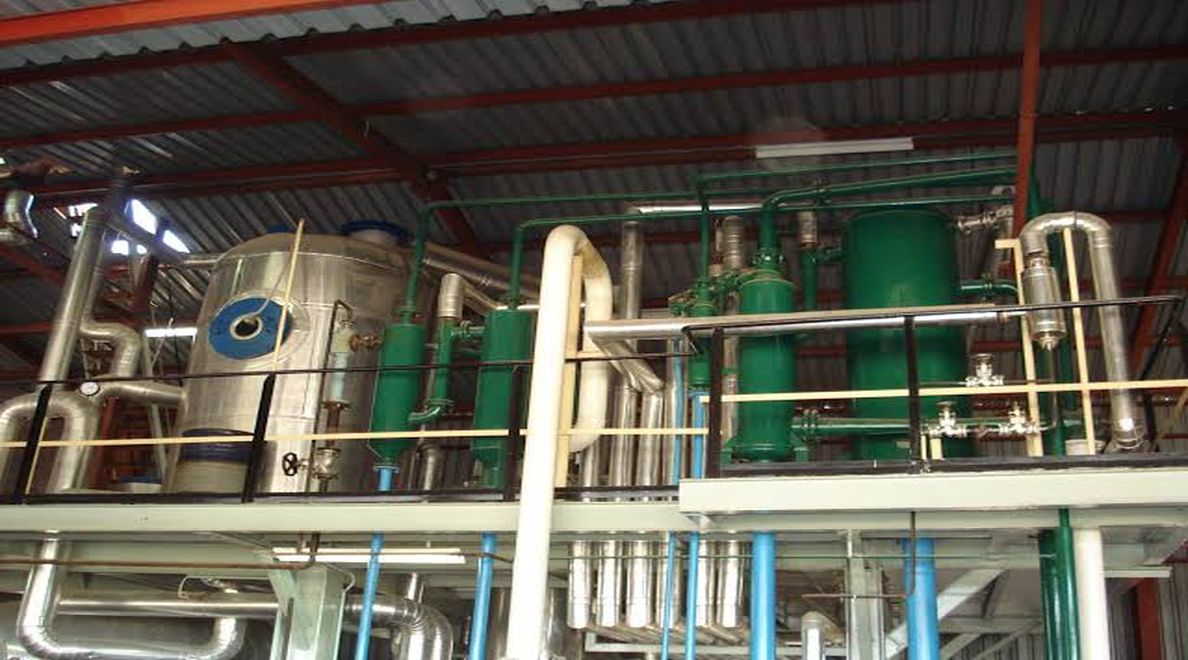
Glycerin Purification is an important refining process used to improve the color, odor, purity, and overall quality of crude or partially refined glycerin before it is used in pharmaceutical, cosmetic, food, chemical, personal care, and other industrial applications.
Depending on the source and production process, crude glycerin may contain color bodies, residual organic compounds, odor-causing substances, soaps, fatty acids, process chemicals, and other impurities. These contaminants can affect the appearance, stability, and usability of the final glycerin product.
Activated Carbon is widely used as an adsorption medium in Glycerin Purification because its highly porous structure can adsorb selected color compounds, organic impurities, odor-causing substances, and other contaminants from glycerin process streams.
Carbure Activated Carbon manufactures high-performance Activated Carbon in India for purification applications requiring strong adsorption capacity, controlled product quality, and reliable industrial performance.
What is Glycerin Purification?
Glycerin Purification is the process of removing unwanted contaminants from crude or intermediate glycerin to achieve the purity and appearance required for its intended end use.
Glycerin can be generated from several industrial processes, including biodiesel production, oleochemical processing, soap manufacturing, and fat splitting. Depending on its origin, the crude material may contain a mixture of salts, soaps, fatty acids, methanol residues, organic compounds, pigments, and odor-causing impurities.
The purification process may involve multiple treatment stages such as neutralization, filtration, evaporation, distillation, ion exchange, bleaching, and Activated Carbon adsorption. The exact process depends on the feed quality and required final specification.
Activated Carbon is particularly useful during polishing and decolorization stages where selected dissolved organic impurities need to be removed without introducing significant additional chemicals into the final product.
Glycerin Purification Process
The Glycerin Purification process begins with evaluating the quality of the crude glycerin, including its color, odor, organic impurity level, water content, salt content, and other process-related contaminants.
Initial treatment stages may be used to remove bulk impurities such as suspended solids, soaps, fatty acids, salts, and residual process chemicals. These steps help prepare the glycerin for further refining.
Activated Carbon can then be introduced into the glycerin stream or used in an appropriately designed adsorption system to remove selected color bodies, organic impurities, odor-causing compounds, and other adsorbable contaminants.
After sufficient contact time, the carbon is separated by filtration or another suitable process step. The treated glycerin may then undergo further polishing, evaporation, distillation, or final quality adjustment depending on the required specification.
The effectiveness of Activated Carbon in Glycerin Purification depends on carbon grade, pore structure, dosage, particle size, contact time, temperature, glycerin viscosity, contaminant type, and process design.
Role of Activated Carbon in Glycerin Purification
Activated Carbon plays a specialized role in Glycerin Purification by adsorbing selected dissolved contaminants that may remain after primary treatment stages.
Its extensive internal pore structure provides a large surface area where organic molecules, color-causing compounds, degradation products, and odor-producing substances can be retained through adsorption.
Depending on the glycerin quality and purification objective, Activated Carbon can be used for decolorization, odor reduction, organic impurity removal, and final product polishing.
Correct carbon selection is important because glycerin is a viscous liquid and the molecular size of the contaminants can vary considerably. The Activated Carbon grade should therefore provide an appropriate balance of pore structure, adsorption capacity, particle size, filtration characteristics, and purity.
Key Benefits of Activated Carbon for Glycerin Purification
High-quality Activated Carbon can provide several benefits when incorporated into a properly designed Glycerin Purification process.
- Helps reduce unwanted color and improve glycerin appearance
- Adsorbs selected organic contaminants
- Supports odor reduction and final product polishing
- Helps improve clarity and overall product quality
- Can be integrated into batch or continuous purification systems
- Suitable for different glycerin refining requirements
- Provides high internal surface area for adsorption
- Supports application-specific carbon dosage and contact time
- Can help industries achieve more consistent finished glycerin quality
- Available in different grades depending on purification requirements
Industrial Applications of Glycerin Purification
Purified glycerin is used across many industries where color, odor, clarity, and product purity are important. Activated Carbon treatment can support the refining process before glycerin enters these downstream applications.
Pharmaceutical Industry
High-purity glycerin is used in pharmaceutical formulations, syrups, oral care products, topical preparations, and other applications where strict quality control is required.
Cosmetics and Personal Care
Glycerin is widely used as a humectant and moisturizing ingredient in creams, lotions, soaps, shampoos, toothpaste, and personal care formulations. Improved color and odor are important for finished product quality.
Food and Beverage Processing
Refined glycerin may be used in selected food and beverage applications where suitable purity and compliance requirements are met.
Oleochemical Processing
Glycerin purification is important in oleochemical facilities that produce glycerin as part of fatty acid, soap, biodiesel, or related processing operations.
Biodiesel Industry
Crude glycerin is generated as a by-product during biodiesel production. Further refining and purification can improve its value and suitability for downstream industrial use.
Chemical Manufacturing
Purified glycerin can be used as a raw material or process ingredient in resins, plasticizers, solvents, intermediates, and specialty chemical products.
Quality Factors in Glycerin Purification
The performance of Activated Carbon in Glycerin Purification depends on both the carbon characteristics and the operating conditions of the purification process.
- Pore structure: Should be suitable for the size and chemistry of the target contaminants.
- Adsorption capacity: Determines the ability of the carbon to retain selected impurities.
- Carbon purity: Important where the treated glycerin is intended for high-purity applications.
- Particle size: Influences contact, filtration, handling, and process efficiency.
- Dosage: Must be optimized according to contaminant loading and required treatment level.
- Contact time: Sufficient contact between glycerin and carbon is required for effective adsorption.
- Temperature: Can influence glycerin viscosity, mass transfer, and adsorption behaviour.
- Feed quality: The level and type of impurities determine the purification requirement.
Activated Carbon for Glycerin Decolorization
Color removal is one of the important objectives in many Glycerin Purification processes. Crude or intermediate glycerin may contain dissolved organic color bodies formed from raw materials, thermal processing, oxidation, or chemical reactions.
Activated Carbon can adsorb selected color-causing compounds within its internal pore network, helping improve the visual appearance and clarity of the treated glycerin.
The effectiveness of decolorization depends on the contaminant profile and the pore size distribution of the carbon. For this reason, the correct Activated Carbon grade should be selected according to the actual glycerin stream rather than relying only on a general adsorption specification.
Powdered vs. Granular Activated Carbon for Glycerin Purification
| Powdered Activated Carbon | Granular Activated Carbon |
|---|---|
| Can provide rapid contact with glycerin in batch treatment systems. | Can be used in appropriately designed fixed-bed or continuous adsorption systems. |
| Often selected for decolorization and polishing applications. | Suitable where continuous flow and media retention are preferred. |
| Requires effective downstream filtration for carbon separation. | Can reduce the need for separating fine carbon particles from the product stream. |
| Dosage can be adjusted according to each treatment batch. | Carbon bed life depends on contaminant loading and operating conditions. |
| Provides high external contact area due to fine particle size. | Offers strong mechanical handling characteristics in suitable systems. |
| Batch / Contact Treatment | Fixed-Bed / Continuous Treatment |
Why Choose Carbure Activated Carbon for Glycerin Purification?
Carbure Activated Carbon is an Activated Carbon Manufacturer in India supplying carbon solutions for liquid-phase purification, decolorization, water treatment, chemical processing, food and beverage applications, and specialty industrial adsorption requirements.
Our Steam Activated Carbon is manufactured from premium Coconut Charcoal using controlled steam activation. During activation, Coconut Charcoal faces superheated steam at 1000°C, developing an extensive pore structure with strong adsorption characteristics.
For Glycerin Purification, Carbure Activated Carbon can support the selection of suitable carbon grades based on color removal requirements, organic impurity profile, carbon dosage, contact time, filtration characteristics, and final product quality objectives.
With consistent product quality, application-based selection, bulk supply capability, and support for domestic and international requirements, Carbure Activated Carbon provides dependable Activated Carbon solutions for glycerin refining and industrial purification.
Frequently Asked Questions - Glycerin Purification
Glycerin Purification is the process of removing unwanted color, odor, organic compounds, salts, soaps, fatty acids, and other impurities from crude or partially refined glycerin to improve its final quality.
Activated Carbon provides a highly porous adsorption surface that can help remove selected color-causing compounds, organic impurities, odor-causing substances, and other adsorbable contaminants from glycerin.
Yes. Properly selected Activated Carbon can adsorb selected dissolved color bodies and help improve glycerin clarity and appearance. Performance depends on the carbon grade, dosage, contact time, and impurity profile.
The suitable grade depends on the feed glycerin, target contaminants, color removal requirement, process temperature, contact time, filtration method, and final purity specification. Powdered or granular grades may be selected according to the system design.
Purified glycerin is widely used in pharmaceutical, cosmetic, personal care, food, chemical, oleochemical, and other industrial applications depending on the grade and required purity.
Yes. Carbure Activated Carbon manufactures and supplies Activated Carbon for industrial liquid purification and decolorization requirements. Product selection for Glycerin Purification can be based on the actual contaminant profile and treatment objectives.
Looking for Activated Carbon for Glycerin Purification?
Carbure Activated Carbon supplies high-performance Activated Carbon for Glycerin Purification, decolorization, organic impurity removal, odor reduction, and final product polishing. Our Activated Carbon solutions support glycerin refining requirements in biodiesel, oleochemical, pharmaceutical, cosmetic, food, chemical, and related processing industries.
Contact Carbure Activated Carbon for suitable carbon grades, technical specifications, bulk requirements, and dependable supply for industrial Glycerin Purification applications in India and international markets.
