
Chemical Industry Applications of Steam Activated Carbon
Steam Activated Carbon manufactured from Coconut Charcoal and activated using superheated steam at 1000°C plays a vital role in purification, recovery, and stabilization across the chemical industry. Carbure’s grades are engineered for chemical resistance, high adsorption efficiency, and long operational life.
- Precious Metal Recovery – Efficient adsorption of dissolved precious metals
- Glycol Purification & Recycling – Removal of degradation by-products
- Chemical / Product Purification – Organic impurity & odor removal
- Sludge & Soil Stabilization – Immobilization of hazardous organics
- Catalyst Support & Protection – Guard bed against fouling & poisoning
- Amine Purification – Removal of heat-stable salts & degradation compounds
- Dry Cleaning Solvent Purification – Solvent clarity & reuse cycles
- Industrial Oil Purification – Removal of oxidation products & sludge
- Solvent Recovery – Capture & reuse of high-value solvents
“Precision pore engineering and high hardness ensure stable performance even in aggressive chemical environments.”
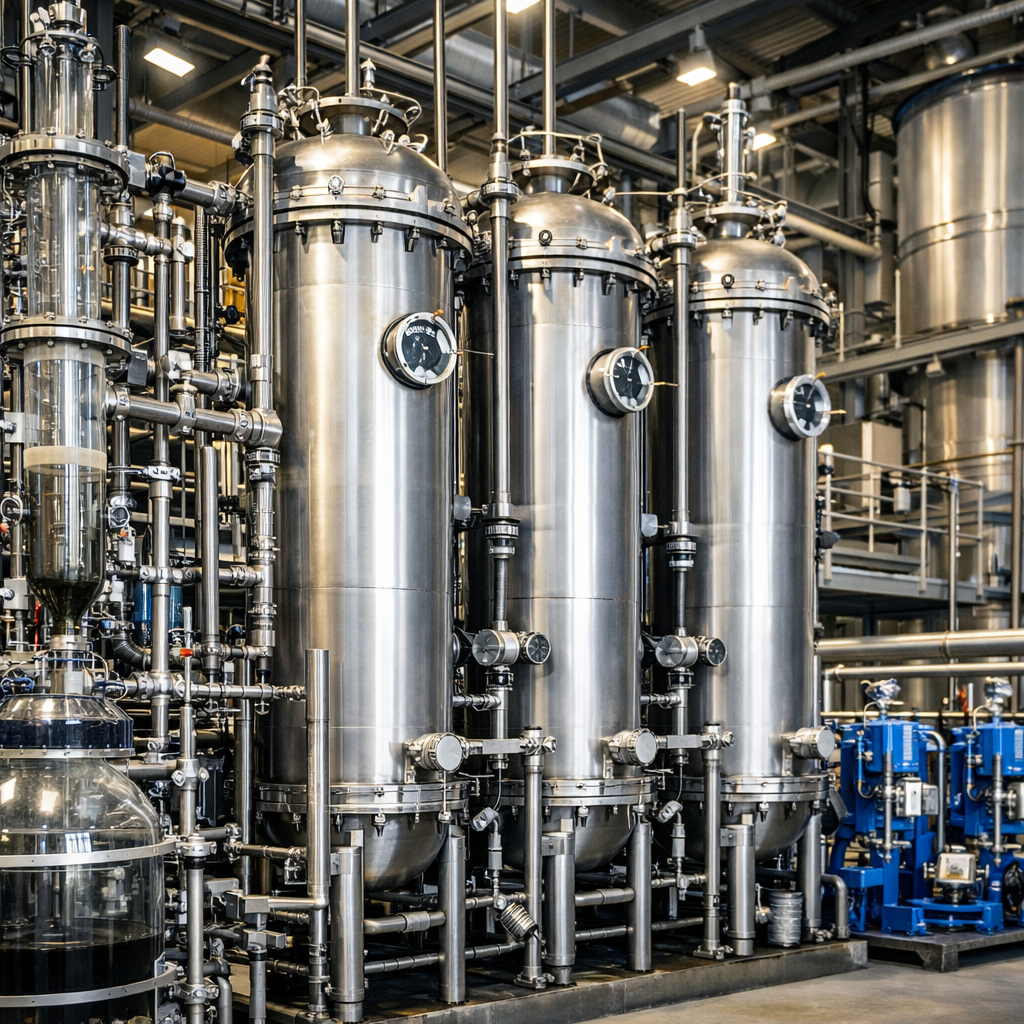
"card">
Chemical Adsorption Process Flow
In chemical processing applications, Steam Activated Carbon operates as part of a controlled adsorption–regeneration lifecycle. Proper system design ensures maximum contaminant removal while extending carbon service life.
- Contaminated Stream Inlet – Liquid or vapor streams containing impurities
- Adsorption Stage – Organic molecules bind to carbon pore surfaces
- Polished Outlet – Treated product meets process specifications
- Regeneration / Replacement – Carbon is reactivated or replaced as required
Correct pore-size distribution and mechanical strength are critical to prevent pressure drop, channeling, and premature carbon degradation.
Why Coconut-Charcoal-Based Steam Activated Carbon?
Coconut Charcoal is the preferred feedstock for chemical adsorption due to its naturally high microporosity, low ash content, and superior hardness. When activated using superheated steam at 1000°C, it delivers consistent performance even in chemically aggressive environments.
“Feedstock quality determines adsorption efficiency and total life-cycle cost.”
Technical Selection Notes for Chemical Engineers
Selecting the correct Steam Activated Carbon grade requires balancing adsorption capacity, kinetics, hydraulics, and reactivation compatibility. The parameters below should be evaluated during system design.
| Parameter | Why It Matters |
|---|---|
| Pore Size Distribution | Controls adsorption rate and breakthrough behavior |
| Hardness / Attrition | Minimizes fines, pressure drop, and carbon loss |
| Iodine Number | Indicator of adsorption capacity for organic contaminants |
| Particle Size (Mesh) | Impacts contact efficiency and column hydraulics |
| Reactivation Stability | Ensures long carbon life across multiple regeneration cycles |
