
Amine Purification Using Activated Carbon
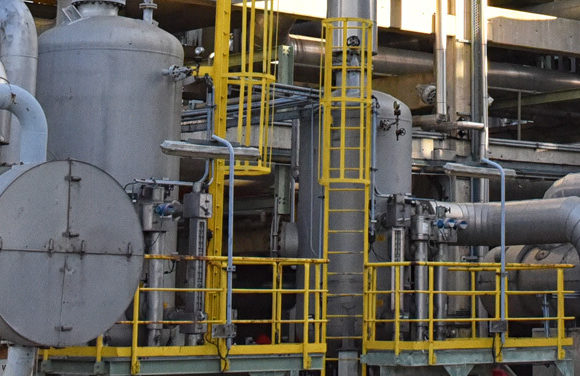
Amine Purification is an important treatment process used in oil and gas processing, refineries, natural gas treatment, petrochemical plants, and other industrial systems where amine solutions are used for acid gas removal. Maintaining the quality of the circulating amine solution is essential for stable and efficient plant operation.
Activated Carbon can be used as part of an amine purification system to adsorb organic contaminants, degradation products, hydrocarbons, and other impurities that can accumulate in circulating amine solutions during continuous operation.
Effective Amine Purification can help maintain solution quality, support efficient gas treatment, reduce contaminant accumulation, and contribute to reliable operation of amine-based acid gas removal systems.
Carbure Activated Carbon in India manufactures high-quality Steam Activated Carbon from premium Coconut Charcoal. During activation, Coconut Charcoal faces superheated steam at 1000°C, developing a highly porous structure with strong adsorption characteristics for demanding industrial purification applications.
Amine Purification using Activated Carbon works primarily through adsorption. When contaminated amine solution passes through an appropriately designed activated carbon treatment system, selected organic contaminants and degradation-related impurities are adsorbed onto the internal pore structure of the carbon.
The effectiveness of activated carbon treatment depends on factors such as contaminant characteristics, carbon grade, pore structure, particle size, contact time, flow rate, operating conditions, and overall purification system design.
Why is Amine Purification Important?
Amine solutions are commonly used for removing acid gases such as hydrogen sulphide (H₂S) and carbon dioxide (CO₂) from natural gas and industrial gas streams. During repeated circulation, however, contaminants and degradation products may accumulate in the amine solution.
Amine Purification helps manage these unwanted impurities and supports cleaner circulating amine. Activated Carbon treatment can be incorporated into the purification system to adsorb selected organic contaminants that may interfere with efficient plant operation.
- Supports removal of selected organic contaminants
- Helps control degradation-related impurities
- Supports cleaner circulating amine solutions
- Helps maintain efficient gas treatment operations
- Suitable for refinery and natural gas processing applications
- Supports consistent performance of amine treatment systems
Activated Carbon for Amine Purification
Activated Carbon for Amine Purification requires carefully selected adsorption characteristics because the carbon must remove targeted contaminants while operating within the requirements of the amine treatment system.
The highly developed internal pore structure of Activated Carbon provides a large adsorption surface for capturing selected organic impurities and degradation products. Carbon selection should therefore be based on the specific amine chemistry, contaminant profile, operating conditions, and purification objectives.
Carbure Activated Carbon supplies Steam Activated Carbon for industrial purification requirements with emphasis on consistent pore structure, adsorption performance, mechanical strength, and controlled product quality.
Role of Activated Carbon in Amine Treatment Systems
In an amine treatment system, Activated Carbon is typically used as a purification medium rather than as the primary acid-gas removal material. Its role is to help remove selected contaminants from the circulating amine solution so that the amine can continue performing its intended gas-treatment function.
Organic degradation products, hydrocarbons, process contaminants, and other adsorbable impurities may gradually accumulate during operation. Passing a controlled portion of the amine stream through an Activated Carbon bed can help reduce selected adsorbable contaminants.
Proper carbon selection and system design are important because amine composition, contaminant loading, temperature, contact time, flow conditions, and required purification levels can vary considerably between plants.
Benefits of Activated Carbon in Amine Purification
Using high-quality Activated Carbon as part of an Amine Purification system can provide several operational benefits when the carbon grade and filtration system are correctly matched to the application.
- High adsorption capacity for selected organic contaminants
- Helps reduce accumulated degradation-related impurities
- Supports improved amine solution cleanliness
- Suitable for continuous and side-stream purification systems
- Supports reliable refinery and gas-processing operations
- Provides a practical adsorption stage within broader amine purification systems
- Available in grades selected according to process requirements
Amine Purification vs. Activated Carbon Treatment
| Amine Purification | Activated Carbon Treatment |
|---|---|
| A broader process used to maintain and improve the quality of circulating amine solutions. | An adsorption treatment step that can form part of the overall amine purification process. |
| May address different types of contaminants depending on the purification system. | Primarily targets selected adsorbable organic contaminants and degradation-related impurities. |
| Supports efficient operation of amine-based gas treatment systems. | Uses the highly porous surface of Activated Carbon for contaminant adsorption. |
| Commonly associated with natural gas processing, refineries, and petrochemical operations. | Can be incorporated into side-stream or dedicated filtration arrangements. |
| Purification requirements depend on amine chemistry and operating conditions. | Carbon grade selection depends on contaminant type, loading, flow rate, and required adsorption performance. |
| Complete Purification Strategy | Adsorption Treatment Stage |
Amine Purification in Oil and Gas Processing
Amine Purification is particularly important in oil and gas facilities where amine-based processes are used to treat sour gas streams. Amine solutions absorb acid gases such as hydrogen sulphide and carbon dioxide before being regenerated and recirculated through the system.
Repeated circulation can expose the amine solution to hydrocarbons, process chemicals, degradation products, and other impurities. An appropriately designed Activated Carbon purification stage can help adsorb selected organic contaminants from the circulating solution.
This makes Activated Carbon relevant to refineries, natural gas processing plants, petrochemical facilities, and other operations using amine-based gas sweetening or acid gas removal systems.
Factors to Consider When Selecting Activated Carbon for Amine Purification
The selection of Activated Carbon for Amine Purification should be based on actual process conditions rather than adsorption capacity alone. Different amine systems can contain different contaminants and operate under different temperatures, flow rates, concentrations, and treatment objectives.
- Contaminant profile: Identify the organic impurities and degradation products requiring removal.
- Amine chemistry: Consider the specific amine solution and process conditions.
- Adsorption characteristics: Select a carbon pore structure suited to the target contaminants.
- Particle size: Balance adsorption contact and hydraulic performance.
- Mechanical strength: Helps reduce media breakdown during operation and handling.
- Contact time: Adequate contact between the amine stream and carbon is necessary for effective adsorption.
- Carbon replacement: Media should be monitored and replaced according to contaminant loading and process performance.
Why Choose Carbure Activated Carbon for Amine Purification?
Carbure Activated Carbon is an Activated Carbon Manufacturer in India supplying carbon solutions for industrial adsorption and purification applications. Our Steam Activated Carbon is manufactured from premium Coconut Charcoal using controlled activation technology.
During activation, Coconut Charcoal faces superheated steam at 1000°C, developing an extensive internal pore structure. The resulting Activated Carbon can be supplied in grades selected according to adsorption requirements, particle size, hardness, and specific industrial applications.
For Amine Purification, the appropriate Activated Carbon grade should be selected based on the actual contaminant profile, amine chemistry, process conditions, flow rate, and required purification performance.
Industrial Applications Related to Amine Purification
Activated Carbon used for industrial amine and process purification can support applications across several sectors where adsorption-based contaminant control is required.
- Natural gas processing plants
- Oil refineries
- Petrochemical industries
- Gas sweetening systems
- Acid gas removal units
- Industrial gas purification
- Process liquid purification
- Hydrocarbon processing facilities
FAQs
Looking for Activated Carbon for Amine Purification?
Carbure Activated Carbon supplies high-quality Steam Activated Carbon for Amine Purification and demanding industrial adsorption applications. Our Coconut Charcoal-based Activated Carbon is manufactured to provide consistent adsorption characteristics for oil and gas processing, refinery operations, petrochemical processing, gas treatment, and process purification requirements.
Contact Carbure Activated Carbon for product selection, technical specifications, bulk requirements, and Activated Carbon supply for industrial Amine Purification applications.
