
Activated Carbon Manufacturer: Products, Applications and Selection Guide
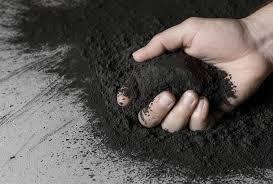
Activated Carbon Manufacturer
Choosing the right Activated Carbon Manufacturer is important for industries that depend on reliable adsorption performance, consistent product specifications and dependable supply. Activated Carbon is a highly porous adsorbent used to remove selected contaminants from liquids, gases and industrial process streams.
The performance of Activated Carbon depends on much more than its appearance. Raw material selection, activation conditions, pore-size distribution, surface area, hardness, particle size, ash content and application requirements all influence how effectively a carbon performs.
A professional Activated Carbon manufacturer therefore needs to understand both the manufacturing process and the customer's actual application. Different industries require different pore structures, particle sizes and physical properties.
At Carbure Activated Carbon, high-performance Steam Activated Carbon is manufactured from premium Coconut Charcoal. During controlled activation, Coconut Charcoal faces superheated steam at 1000°C, creating an extensive internal pore network for adsorption.
How is Activated Carbon Manufactured?
Activated Carbon manufacturing involves converting a carbon-rich raw material into a highly porous adsorbent with a large internal surface area. The exact manufacturing process varies depending on the raw material and the required Activated Carbon properties.
1. Raw Material Selection
The properties of Activated Carbon begin with its raw material. Different carbonaceous materials can produce different pore structures and physical characteristics.
Carbure uses premium Coconut Charcoal as the primary raw material for producing high-performance Activated Carbon. Coconut-based carbon is particularly valued for its hardness and developed microporous structure.
2. Controlled Activation
The Coconut Charcoal undergoes controlled steam activation. At Carbure, the Coconut Charcoal faces superheated steam at 1000°C.
During activation, controlled reactions develop microscopic pores throughout the carbon structure. These pores significantly increase the available internal surface where adsorption can occur.
3. Size Classification
After activation, the carbon is processed and classified according to the particle size required for the intended application.
Different applications may require granular particles, fine powdered carbon or specific mesh-size distributions.
4. Quality Testing
Activated Carbon manufacturers evaluate important physical and chemical parameters to ensure product consistency. Depending on the grade and application, testing may include iodine value, moisture, ash, hardness, particle-size distribution and other application-specific properties.
5. Application-Specific Grade Selection
The final Activated Carbon grade should be selected according to the target contaminant, process conditions, adsorption requirements and system design.
Activated Carbon Products
Activated Carbon manufacturers offer different product forms and grades because each industrial process has different adsorption, handling and operational requirements.
| Activated Carbon Product | Typical Applications |
|---|---|
| Granular Activated Carbon (GAC) | Water treatment, gold recovery, fixed-bed adsorption, process purification, wastewater treatment and industrial filtration |
| Powdered Activated Carbon (PAC) | Batch purification, liquid treatment, decolorization, wastewater processes, food and beverage purification and chemical processing |
| Acid-Washed Activated Carbon | Applications requiring controlled mineral impurities and higher-purity Activated Carbon |
| Application-Specific Activated Carbon | Gold recovery, water purification, gas treatment and specialized industrial adsorption processes |
Granular Activated Carbon (GAC)
Granular Activated Carbon consists of larger carbon particles designed mainly for fixed-bed and continuous treatment systems.
The particle size selected for GAC affects adsorption kinetics, pressure drop, hydraulic performance and mechanical stability.
Powdered Activated Carbon (PAC)
Powdered Activated Carbon contains significantly finer particles and provides rapid contact with liquids because of its smaller particle size.
PAC is frequently used in batch processes, controlled dosing systems, purification processes and applications where the carbon is removed after treatment.
Specialized Activated Carbon Grades
Different industries may require specialized Activated Carbon grades based on pore structure, hardness, purity, particle size and contaminant characteristics.
For this reason, an Activated Carbon manufacturer should recommend products according to the actual application instead of supplying one standard grade for every requirement.
Major Applications of Activated Carbon
Activated Carbon is used across many industries because its porous structure can adsorb suitable molecules from liquids and gases.
1. Water Treatment
Activated Carbon is widely used in drinking water, municipal water, industrial process water, groundwater and wastewater treatment.
Depending on the carbon grade and treatment conditions, it can help reduce chlorine, taste and odor compounds, selected VOCs, dissolved organic contaminants and other adsorbable substances.
2. Gold Recovery
Activated Carbon plays an important role in gold recovery processes because gold complexes can be adsorbed onto the carbon surface from suitable process solutions.
Carbon hardness, adsorption characteristics, particle size and resistance to attrition are important considerations in gold recovery operations.
3. Air and Gas Purification
Activated Carbon can be used in suitable gas-phase purification systems to adsorb selected VOCs, odors and industrial contaminants.
The correct carbon type depends on the contaminant concentration, humidity, gas flow, contact time and required removal performance.
4. Solvent Recovery
Selected Activated Carbon grades can capture organic solvent vapors from industrial process streams. Depending on system design, the adsorbed solvent may subsequently be recovered.
5. Food and Beverage Processing
Activated Carbon can be used in selected food and beverage purification processes for decolorization, removal of unwanted organic compounds and purification of process liquids.
6. Chemical Processing
Chemical industries use Activated Carbon for purification, decolorization, contaminant removal and polishing of selected process streams.
7. Wastewater Treatment
Activated Carbon can provide a polishing stage following biological, chemical or physical treatment. It can adsorb selected residual organic contaminants that remain after upstream treatment.
8. Industrial Oil Purification
Suitable Activated Carbon grades may be used for removing selected color bodies, degradation products and adsorbable impurities from industrial oils and process liquids.
Important Properties of Activated Carbon
An experienced Activated Carbon manufacturer evaluates several properties when designing or selecting a carbon grade. No single test parameter can fully describe Activated Carbon performance.
Iodine Value
Iodine value is commonly used to characterize the micropore development of Activated Carbon. It is useful for product comparison and quality control but should not be considered a universal measure of performance for every application.
Pore Size Distribution
Activated Carbon contains pores of different sizes. The relationship between pore size and contaminant molecular size strongly influences adsorption performance.
Surface Area
The internal surface created by the pore network provides adsorption sites. Activated Carbon may have a very large internal surface area, but useful adsorption depends on whether the target molecules can access the appropriate pores.
Hardness
Hardness indicates the carbon's resistance to mechanical breakdown. It is particularly important in applications involving handling, backwashing, repeated movement or regeneration.
Particle Size
Particle size affects adsorption kinetics, hydraulic behavior, pressure drop and handling characteristics. The ideal particle-size range depends on the treatment system.
Ash Content
Ash represents the inorganic mineral content remaining in the Activated Carbon. Acceptable ash levels depend on the application and required product specification.
Moisture
Moisture is another important specification used in Activated Carbon quality control and product handling.
Industries Using Activated Carbon
Activated Carbon is an important adsorbent used across multiple industries where purification, separation or contaminant control is required.
- Drinking water treatment
- Municipal water purification
- Industrial water treatment
- Wastewater treatment
- Gold mining and gold recovery
- Air and gas purification
- VOC control
- Solvent recovery
- Food and beverage processing
- Chemical manufacturing
- Pharmaceutical processing
- Industrial oil purification
- Process liquid purification
- Environmental remediation
Each industry can require significantly different Activated Carbon characteristics. This is why application-based grade selection is one of the most important responsibilities of an Activated Carbon manufacturer.
How to Select the Right Activated Carbon
Choosing the correct Activated Carbon should begin with a clear understanding of the target application rather than selecting a product only from a standard specification sheet.
1. Identify the Target Contaminant
Determine exactly what needs to be adsorbed or removed. The chemistry, molecular size and concentration of the contaminant influence Activated Carbon selection.
2. Determine Liquid Phase or Gas Phase
Activated Carbon used for water or liquid treatment can require different characteristics from carbon used in air or gas purification systems.
3. Select GAC or PAC
Choose Granular Activated Carbon for suitable fixed-bed and continuous systems, or Powdered Activated Carbon where controlled dosing, batch treatment or rapid dispersion is required.
4. Evaluate Pore Structure
The Activated Carbon should contain a pore-size distribution suited to the molecules being treated.
5. Consider Particle Size
Particle size affects adsorption rate, pressure drop, hydraulic characteristics and carbon separation requirements.
6. Check Mechanical Strength
High mechanical strength can be particularly important for fixed-bed systems and applications where carbon experiences repeated movement or handling.
7. Review Ash and Purity
Purity requirements vary significantly between general industrial treatment and high-purity applications. The selected carbon should meet the specification required for the intended process.
8. Evaluate Operating Conditions
Flow rate, contaminant concentration, temperature, pH, humidity, contact time and competing substances can all influence adsorption performance.
9. Conduct Testing Where Required
For critical industrial applications, laboratory testing, pilot testing or field evaluation can help determine the most suitable grade.
How to Select an Activated Carbon Manufacturer
Selecting an Activated Carbon manufacturer should involve more than comparing price per kilogram. Product consistency and application suitability can significantly affect operating cost and treatment performance.
Raw Material Quality
Understand the raw material used to manufacture the Activated Carbon and whether its characteristics are suitable for your intended application.
Manufacturing Process
A controlled activation process is necessary to develop the required pore structure and maintain consistent Activated Carbon properties.
Product Consistency
Industrial users require predictable Activated Carbon characteristics from batch to batch. Quality-control systems should therefore monitor key product parameters.
Application Knowledge
A capable Activated Carbon manufacturer should understand how carbon properties relate to water treatment, gold recovery, gas purification, industrial processing and other adsorption applications.
Technical Support
Customers should be able to discuss their target contaminant, operating conditions, particle-size requirements and treatment objectives with the manufacturer.
Supply Capability
Reliable availability, bulk supply capability, packaging options and export support can be important for industrial buyers and international customers.
Quality Systems and Certifications
Established quality, environmental and occupational management systems help support manufacturing consistency and operational reliability.
Why Coconut Charcoal-Based Activated Carbon?
Coconut Charcoal is an important raw material for producing high-performance Activated Carbon.
When properly activated, Coconut Charcoal can develop a strong microporous structure together with good mechanical hardness. These properties can be valuable in many liquid-phase and industrial adsorption applications.
At Carbure, premium Coconut Charcoal faces superheated steam at 1000°C during the controlled activation process. This develops the internal pore network responsible for adsorption.
However, raw material alone does not determine application performance. The final Activated Carbon grade should still be selected according to pore-size distribution, particle size, hardness, purity and the target contaminant.
Carbure - Activated Carbon Manufacturer in India
Carbure Activated Carbon is an Activated Carbon Manufacturer in India producing high-performance Steam Activated Carbon from premium Coconut Charcoal for domestic and international industrial applications.
Our Activated Carbon grades can be evaluated for applications including:
- Water treatment
- Drinking water purification
- Industrial process water
- Wastewater treatment
- Gold recovery
- Air purification
- Gas purification
- VOC adsorption
- Solvent recovery
- Food and beverage processing
- Chemical processing
- Industrial oil purification
- Process liquid purification
Carbure focuses on consistent manufacturing, application-based Activated Carbon selection, technical support and dependable supply.
Our manufacturing approach combines premium Coconut Charcoal, controlled steam activation and systematic quality evaluation to produce Activated Carbon suitable for demanding industrial adsorption requirements.
Customers can share their application, target contaminant, required particle size, operating conditions, required specifications and treatment objectives for suitable Activated Carbon grade evaluation.
Activated Carbon Manufacturer - Final Thoughts
Choosing the right Activated Carbon Manufacturer is an important part of achieving reliable adsorption performance. The effectiveness of Activated Carbon depends on its raw material, manufacturing process, pore structure, particle size, hardness, purity and compatibility with the target application.
Granular Activated Carbon is widely used in fixed-bed treatment systems, while Powdered Activated Carbon provides flexibility for batch processing and controlled dosing. Specialized grades can also be developed or selected for demanding industrial applications.
Applications range from water treatment and gold recovery to air purification, solvent recovery, food processing, chemical purification and wastewater treatment.
Instead of selecting Activated Carbon solely on iodine value or price per kilogram, industrial users should consider complete application performance and work with a manufacturer capable of recommending the appropriate grade.
FAQs
An Activated Carbon manufacturer produces different forms and grades of Activated Carbon used for purification and adsorption. Common products include Granular Activated Carbon, Powdered Activated Carbon and specialized application-specific grades.
Activated Carbon is produced by activating carbon-rich raw materials under controlled conditions. At Carbure, premium Coconut Charcoal faces superheated steam at 1000°C, developing an extensive internal pore network used for adsorption.
Common products include Granular Activated Carbon, Powdered Activated Carbon, acid-washed Activated Carbon and specialized grades for applications such as water purification, gold recovery and industrial adsorption.
Activated Carbon is used for water treatment, gold recovery, air and gas purification, VOC adsorption, solvent recovery, food and beverage purification, chemical processing, wastewater treatment and other industrial purification processes.
Granular Activated Carbon contains larger particles and is commonly used in fixed-bed and continuous adsorption systems. Powdered Activated Carbon contains finer particles and is commonly used for batch treatment, controlled dosing and processes requiring rapid dispersion.
Coconut Charcoal-based Activated Carbon can provide a well-developed microporous structure and good mechanical hardness. Its suitability for a specific industrial application depends on the required pore structure, particle size, purity and operating conditions.
No. Iodine value is useful for characterizing micropore development, but application performance also depends on pore-size distribution, particle size, contaminant properties, operating conditions and other Activated Carbon characteristics.
Consider the manufacturer's raw material, activation process, product consistency, technical specifications, quality systems, application knowledge, technical support and ability to supply the appropriate grade for your process.
Selection should consider the target contaminant, liquid or gas phase, pore structure, particle size, iodine value, hardness, ash level, purity, contact time, flow conditions and required treatment performance.
Looking for an Activated Carbon Manufacturer?
Carbure Activated Carbon is an Activated Carbon Manufacturer in India producing high-performance Steam Activated Carbon from premium Coconut Charcoal for applications including water treatment, gold recovery, air and gas purification, VOC control, solvent recovery, wastewater treatment, food processing, chemical purification and industrial applications.
Contact Carbure Activated Carbon for suitable Activated Carbon grades, technical specifications, application support, bulk requirements and export enquiries.
