
Activated Carbon for Water Treatment: Liquid Phase Applications, Benefits & Selection Guide
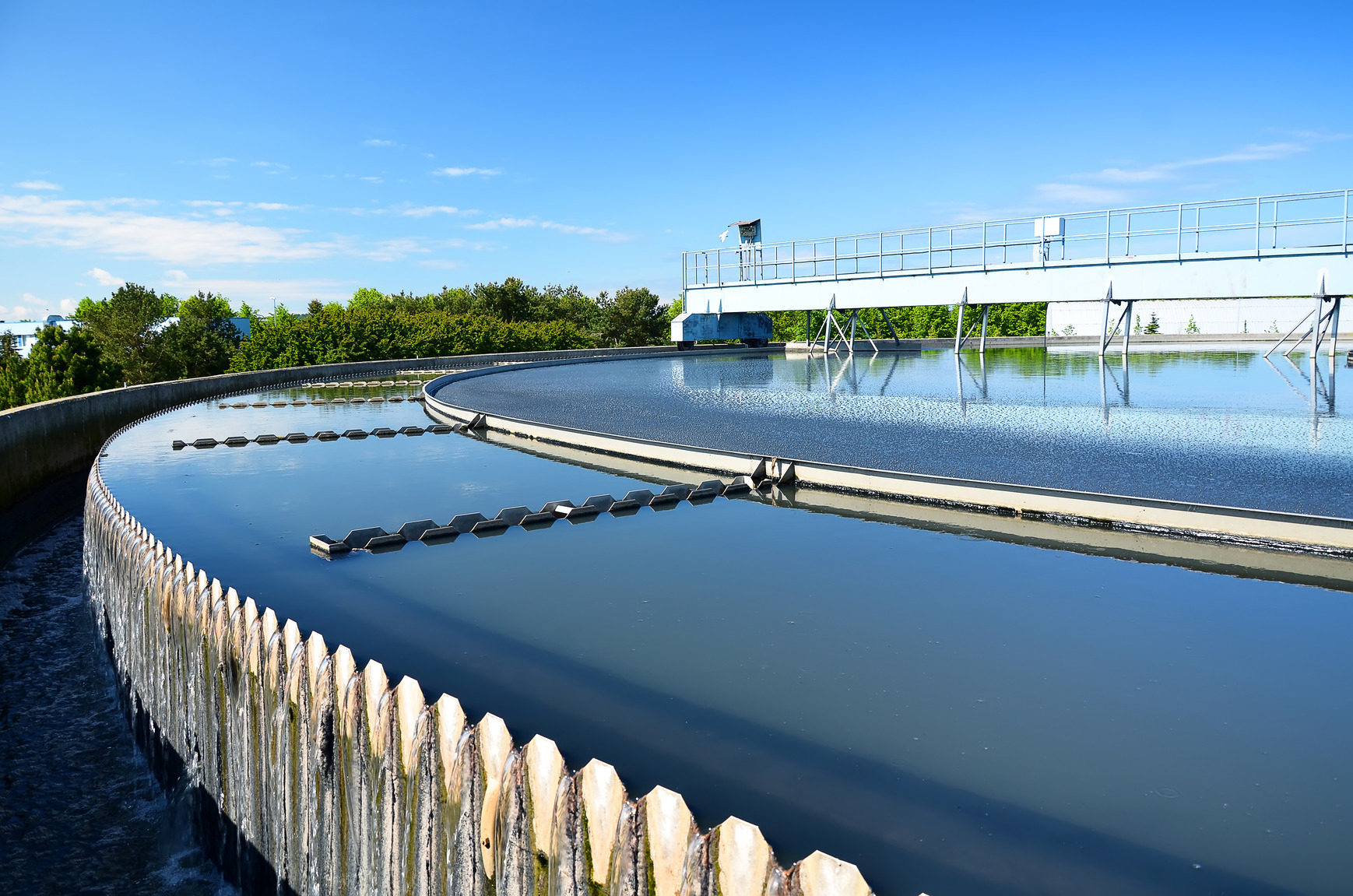
Activated Carbon for Water Treatment
Activated Carbon for Water Treatment is widely used in liquid phase purification systems to improve water quality by adsorbing selected dissolved organic contaminants, taste and odor compounds, volatile organic compounds (VOCs), color-causing substances and other adsorbable impurities.
Activated Carbon contains an extensive network of microscopic pores that provides a large internal surface for adsorption. When contaminated water comes into contact with the carbon, suitable molecules migrate from the liquid into the pore structure and are retained on the internal carbon surface.
This makes Activated Carbon useful across drinking water treatment, municipal water purification, industrial process water, wastewater polishing, groundwater remediation, RO pre-treatment and other liquid phase applications.
At Carbure Activated Carbon, high-performance Steam Activated Carbon is manufactured from premium Coconut Charcoal. During activation, Coconut Charcoal faces superheated steam at 1000°C, developing the internal pore structure required for effective adsorption.
What is a Liquid Phase Application?
A liquid phase application is an adsorption process in which Activated Carbon is used to treat contaminants present in water or another liquid stream.
In water treatment, the liquid flows through a fixed bed of Granular Activated Carbon or is brought into contact with Powdered Activated Carbon. Target compounds move from the water toward the carbon surface and enter the pore network, where suitable molecules are adsorbed.
Liquid phase applications are different from gas phase applications because the transport of contaminants, contact conditions, particle size requirements and system design can differ significantly.
Common Liquid Phase Treatment Objectives
- Drinking water purification
- Chlorine reduction
- Taste and odor control
- Adsorption of selected dissolved organic compounds
- VOC reduction
- Color reduction
- Industrial process water polishing
- Wastewater polishing
- Groundwater treatment
- RO pre-treatment support
How Does Activated Carbon Work in Water Treatment?
The primary mechanism responsible for removing many organic contaminants from water is adsorption.
Adsorption occurs when molecules from the water accumulate on the internal surface of Activated Carbon. The carbon's extensive pore network provides the surface needed for this interaction.
Step 1 - Water Enters the Carbon System
Water containing target contaminants enters a Granular Activated Carbon filter, adsorption vessel or another carbon treatment system.
Step 2 - Contaminants Reach the Carbon Surface
Dissolved compounds move from the bulk water toward the surface of the Activated Carbon particles.
Step 3 - Molecules Enter the Pore Network
Suitable molecules diffuse into the carbon's internal pores. The accessibility of these pores depends on particle size, pore-size distribution and contaminant characteristics.
Step 4 - Adsorption Occurs
The target compounds are retained on the internal carbon surface. Different compounds have different adsorption affinities, so performance varies according to contaminant chemistry.
Step 5 - Treated Water Leaves the System
Water exits the carbon bed with a reduced concentration of contaminants that have been effectively retained by the carbon.
Types of Activated Carbon for Liquid Phase Water Treatment
The most appropriate form of Activated Carbon depends on the treatment system, contaminant characteristics, contact time and operational requirements.
| Activated Carbon Type | Typical Liquid Phase Applications |
|---|---|
| Granular Activated Carbon (GAC) | Drinking water filters, municipal treatment, process water, wastewater polishing, groundwater treatment and fixed-bed adsorption |
| Powdered Activated Carbon (PAC) | Batch treatment, controlled dosing, seasonal taste and odor treatment, process purification and selected wastewater applications |
| Acid-Washed Activated Carbon | Selected high-purity water and process applications where tighter control of acid-soluble mineral impurities is required |
Granular Activated Carbon (GAC)
Granular Activated Carbon is commonly used in continuous water treatment systems. Water flows through a packed carbon bed, providing contact between the liquid and adsorbent.
GAC particle size should provide a suitable balance between adsorption kinetics, hydraulic flow and pressure drop.
Powdered Activated Carbon (PAC)
Powdered Activated Carbon consists of finer carbon particles that can be dosed directly into a liquid treatment process. PAC is often selected where flexible dosing or batch treatment is required.
After sufficient contact, the carbon must be separated from the treated water using an appropriate clarification or filtration process.
Major Liquid Phase Applications of Activated Carbon in Water Treatment
Activated Carbon is used across a wide range of water treatment processes because the carbon grade and treatment system can be adapted to different water-quality requirements.
1. Drinking Water Treatment
Activated Carbon is used in drinking water systems to improve taste and odor and reduce chlorine, selected organic compounds, VOCs and other adsorbable contaminants.
For drinking water applications, the selected Activated Carbon should meet the required product specifications and applicable water-treatment requirements.
2. Municipal Water Treatment
Municipal treatment facilities can use GAC beds or PAC dosing as part of multi-stage treatment processes.
Activated Carbon may support treatment of taste and odor compounds, selected organic micropollutants and other adsorbable substances remaining after upstream treatment.
3. Industrial Process Water
Many industrial operations require water with controlled organic contamination before the water can be used in manufacturing, rinsing, cooling or other processes.
Activated Carbon can provide a polishing stage for reducing selected organic impurities that may interfere with downstream production.
4. Wastewater Polishing
Activated Carbon can be used after biological, chemical or physical treatment stages to adsorb selected residual organic contaminants.
GAC fixed beds and PAC treatment can both be evaluated depending on contaminant loading, required effluent quality and system design.
5. RO Pre-Treatment
Activated Carbon is commonly incorporated into selected reverse osmosis pre-treatment systems to reduce chlorine and selected organic compounds before membrane treatment.
Proper system design and monitoring are important because carbon treatment does not replace all other RO pre-treatment requirements.
6. Groundwater Treatment
Activated Carbon can be used for treatment of groundwater containing selected VOCs and dissolved organic contaminants that have suitable adsorption characteristics.
7. Food and Beverage Process Water
Suitable Activated Carbon grades can support process-water purification where control of taste, odor, chlorine and selected organic impurities is required.
The selected carbon should meet the appropriate purity and regulatory specifications for the intended food or beverage application.
8. Chemical and Pharmaceutical Process Water
Selected grades can be evaluated for purification of process water used in chemical and pharmaceutical manufacturing where suitable product specifications, process requirements and validation conditions are met.
What Contaminants Can Activated Carbon Reduce in Water?
The ability of Activated Carbon to treat a contaminant depends on its chemical properties, molecular size, concentration, competing compounds and the pore structure of the selected carbon.
Depending on the carbon grade and treatment conditions, Activated Carbon may be used for:
- Chlorine reduction
- Taste and odor compounds
- Selected volatile organic compounds (VOCs)
- Selected dissolved organic compounds
- Color-causing organic substances
- Selected industrial organic contaminants
- Selected organic micropollutants
- Residual organic impurities in process water
Activated Carbon is not a universal treatment medium for every water contaminant. Dissolved salts, hardness minerals and many inorganic ions generally require other treatment technologies.
Benefits of Activated Carbon for Water Treatment
- Strong adsorption capability: The developed pore structure provides extensive internal surface for adsorption of suitable contaminants.
- Taste and odor improvement: Activated Carbon can reduce many compounds responsible for undesirable taste and odor.
- Chlorine reduction: Activated Carbon is widely used where residual chlorine needs to be reduced before downstream treatment or use.
- Organic contaminant treatment: Suitable carbon grades can adsorb a broad range of selected dissolved organic compounds.
- Flexible treatment options: GAC can be used in fixed beds while PAC can be applied through controlled dosing.
- Suitable for polishing: Activated Carbon can complement other physical, biological, membrane and chemical treatment processes.
- Multiple water-treatment applications: Activated Carbon can be applied to drinking water, industrial process water, groundwater and wastewater treatment.
- Durable carbon options: Coconut Charcoal-based GAC can provide good mechanical strength for fixed-bed and backwashing applications when the appropriate grade is selected.
Factors Affecting Activated Carbon Performance in Liquid Phase Applications
Real-world water-treatment performance depends on much more than a single Activated Carbon specification.
Target Contaminant
The molecular size, polarity, solubility and chemical characteristics of the target compound influence its adsorption behavior.
Contaminant Concentration
Higher contaminant loading generally consumes available adsorption capacity more rapidly and may shorten carbon service life.
Pore Size Distribution
The relationship between contaminant molecular size and the carbon pore structure strongly influences adsorption accessibility and capacity.
Particle Size
Smaller carbon particles can provide faster adsorption kinetics but may create greater hydraulic resistance in fixed-bed systems.
Contact Time
Water must remain in contact with the carbon long enough for mass transfer and adsorption to occur. In GAC systems, bed depth and flow rate influence effective contact time.
Water Chemistry
pH, temperature, dissolved organic matter and other compounds in the water can influence adsorption performance.
Competing Contaminants
Water often contains several adsorbable compounds. These compounds can compete for available adsorption sites and influence breakthrough behavior.
Carbon Bed Design
Bed depth, vessel configuration, flow distribution and hydraulic conditions can significantly affect overall treatment efficiency.
How to Select Activated Carbon for Water Treatment
Selecting the right Activated Carbon for Water Treatment should begin with the actual water quality and treatment objective.
1. Identify the Target Contaminant
Determine whether the objective is chlorine reduction, taste and odor control, VOC adsorption, organic contaminant reduction, color treatment or another specific requirement.
2. Analyze the Water
Water chemistry, contaminant concentration, pH, temperature and competing organic matter should be considered before selecting the carbon.
3. Choose GAC or PAC
Select Granular Activated Carbon for suitable continuous fixed-bed systems or Powdered Activated Carbon where controlled dosing and subsequent carbon separation fit the treatment process.
4. Evaluate Pore Structure
The carbon should provide a pore-size distribution suitable for the target molecules. Surface area alone does not determine application performance.
5. Consider Iodine Value
Iodine value is useful as an indicator of micropore development and for product characterization. However, it should not be treated as a universal predictor of performance for every water contaminant.
6. Select the Appropriate Particle Size
Particle size influences adsorption kinetics, pressure drop, hydraulic performance and backwashing characteristics.
7. Check Hardness
Mechanical strength is important in GAC systems where the carbon may experience transportation, loading, backwashing and repeated hydraulic movement.
8. Evaluate Ash and Purity
Ash, extractables and other purity parameters should meet the specification required for the intended water-treatment application.
9. Evaluate Flow Rate and Contact Time
High flow rates can reduce effective contact time and lead to earlier contaminant breakthrough if the carbon bed is not designed appropriately.
10. Conduct Application Testing
Laboratory, pilot or field testing is recommended for technically demanding applications, complex water chemistry or strict treatment targets.
Why Coconut Charcoal-Based Activated Carbon for Water Treatment?
Coconut Charcoal is an important raw material for producing Activated Carbon used in many liquid phase applications.
When properly activated, coconut-derived carbon can develop a strong microporous structure together with good mechanical strength. These characteristics can be valuable in water-treatment applications involving selected smaller organic molecules and fixed-bed operation.
At Carbure, Coconut Charcoal faces superheated steam at 1000°C during controlled activation. This process develops the internal pore network that provides the adsorption surface required for purification.
However, coconut origin alone does not determine whether a carbon is suitable for a particular water-treatment application. The final grade should still be selected according to contaminant characteristics, pore structure, particle size, hardness, purity and system conditions.
Carbure Activated Carbon for Liquid Phase Water Treatment
Carbure Activated Carbon manufactures high-performance Steam Activated Carbon from premium Coconut Charcoal for water treatment and industrial liquid phase purification applications.
Our Activated Carbon grades can be evaluated for applications including:
- Drinking water treatment
- Municipal water purification
- Industrial process water
- Wastewater polishing
- Groundwater treatment
- RO pre-treatment
- Chlorine reduction
- Taste and odor control
- VOC adsorption
- Selected dissolved organic contaminant treatment
- Food and beverage process water
- Selected chemical and pharmaceutical process-water applications
Carbure focuses on consistent product specifications, application-based grade selection and dependable supply for domestic and international water-treatment requirements.
Customers can share their water analysis, target contaminants, required particle size, flow rate, contact time, treatment-system design and required final water quality for suitable Activated Carbon grade evaluation.
Activated Carbon for Water Treatment - Final Thoughts
Activated Carbon for Water Treatment plays an important role in liquid phase purification by adsorbing selected organic contaminants and helping control taste, odor, VOCs, color-causing compounds and other adsorbable impurities.
Granular Activated Carbon is commonly used in continuous fixed-bed systems, while Powdered Activated Carbon provides flexibility for controlled dosing and batch treatment.
Successful water treatment depends on selecting the carbon according to the actual contaminant and operating conditions. Pore structure, particle size, hardness, purity, water chemistry, bed depth, flow rate and contact time all influence treatment performance.
Rather than choosing Activated Carbon based only on iodine value or surface area, water-treatment professionals should evaluate the complete adsorption system and conduct application testing where required.
FAQs
Liquid phase Activated Carbon is Activated Carbon selected for treating water or other liquid streams. It is used to adsorb selected dissolved organic contaminants, taste and odor compounds, VOCs and other suitable impurities.
Activated Carbon contains an extensive internal pore network. As water contacts the carbon, suitable contaminants move into these pores and are retained on the internal surface through adsorption.
Major applications include drinking water treatment, municipal water purification, industrial process water, wastewater polishing, groundwater treatment, RO pre-treatment and selected food, beverage and chemical process-water applications.
Granular Activated Carbon is commonly used in fixed-bed treatment systems, while Powdered Activated Carbon is often used for controlled dosing and batch treatment. The correct form and grade depend on the contaminant and process design.
Depending on the carbon grade and treatment conditions, Activated Carbon can reduce chlorine, taste and odor compounds, selected VOCs, dissolved organic compounds, color-causing substances and other adsorbable organic contaminants.
Neither is universally better. GAC is generally suited to continuous fixed-bed treatment, while PAC is useful for controlled dosing or batch treatment. Selection depends on the treatment objective, contaminant loading and system design.
No. Iodine value is useful for product characterization and indicating micropore development, but actual water-treatment performance also depends on pore-size distribution, contaminant characteristics, particle size, water chemistry and contact conditions.
Selection should consider the target contaminant, water chemistry, carbon pore structure, particle size, iodine value, hardness, ash and purity requirements, flow rate, bed depth, contact time and required treatment performance.
Looking for Activated Carbon for Water Treatment?
Carbure Activated Carbon manufactures high-performance Steam Activated Carbon from premium Coconut Charcoal for liquid phase water-treatment applications including drinking water, industrial process water, wastewater polishing, groundwater treatment, RO pre-treatment, chlorine reduction, taste and odor control, and selected organic contaminant adsorption.
Contact Carbure Activated Carbon for suitable water-treatment grades, technical specifications, application support, bulk supply and export requirements.
